public art
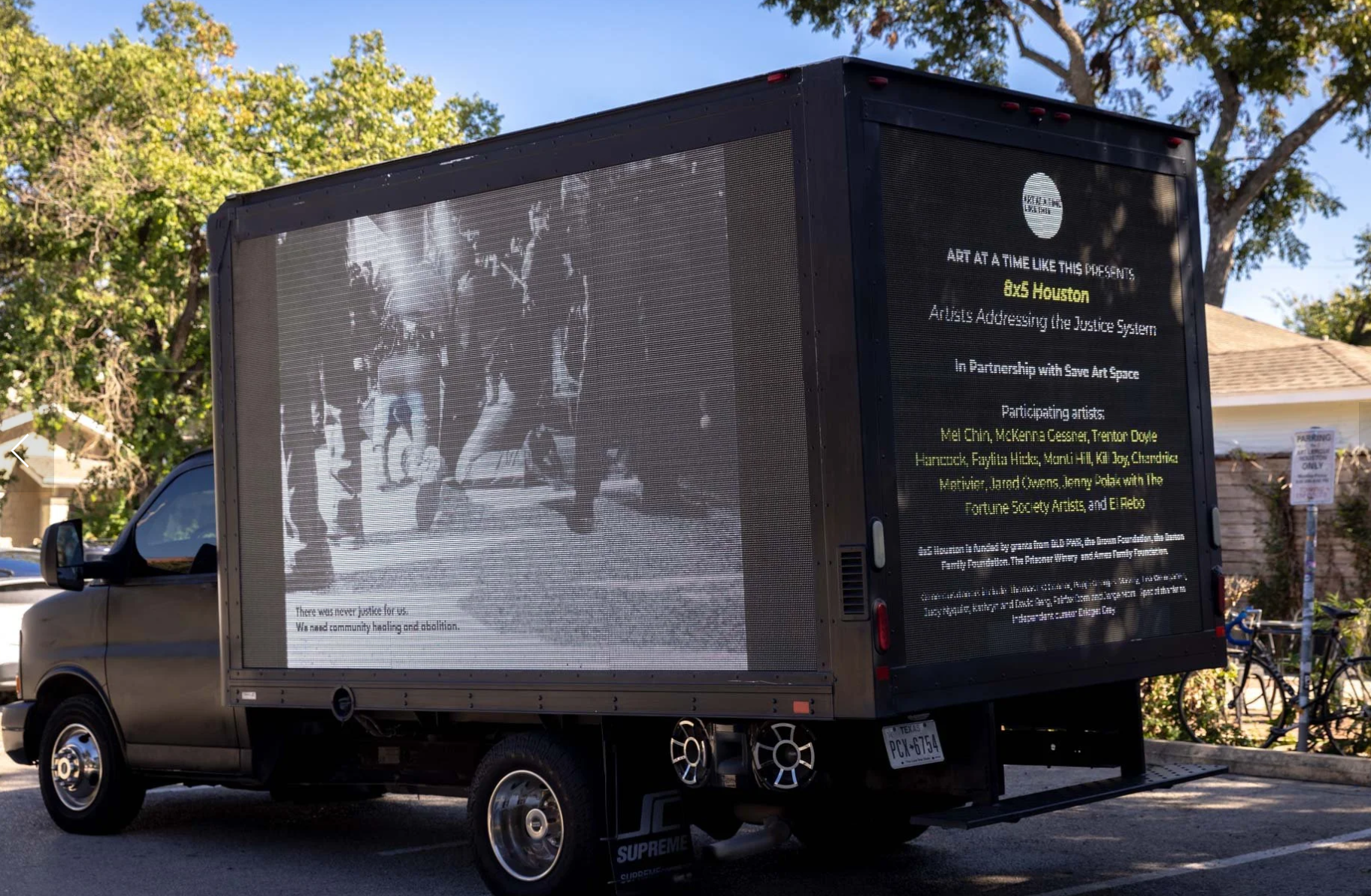
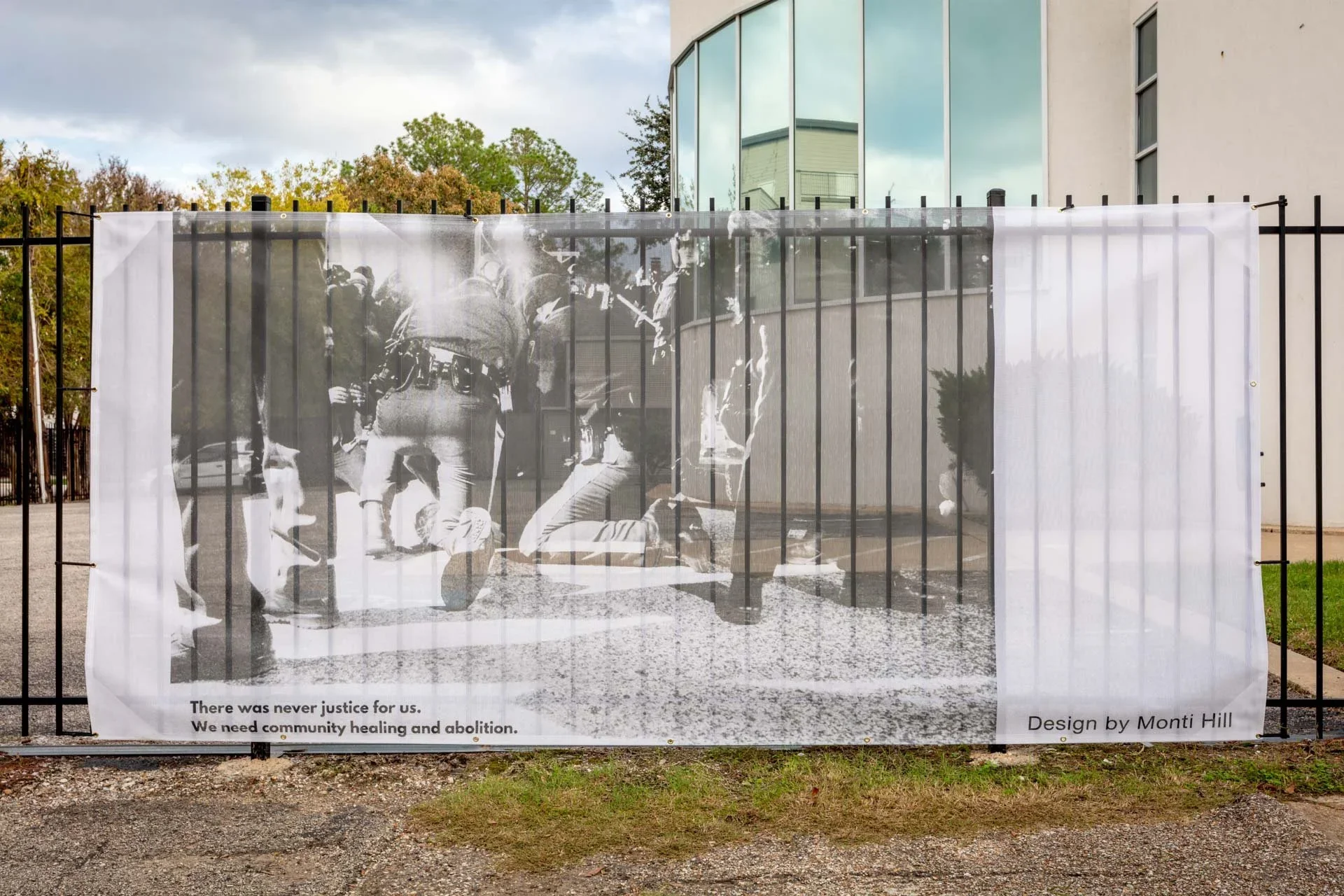
When we think of Reform, are we intentionally working to dismantle the criminal legal system so that Black and brown bodies have the potential to thrive, or are we working towards Reform to uphold the practices that will keep us bound and tied to a system that makes us feel comfortable and “safe”
These images were taken during the summer, fall, and winter of the Ferguson uprising—a reminder that community is rooted in healing, love, and, most importantly, abolition. The death of Mike Brown Jr. shook up the nation because of the movement building among organizers and residents in a small county in St. Louis, Missouri. Community is intersected between love, liberation, healing, and even chaos. I saw the community through and through while I was among the protesters and residents. I saw the community when we fellowshipped at local churches that provided food for the protesters. I saw community when we gathered for intentional meetings on the next steps of the demands. I saw community all around me, yet what was depicted in news broadcasts or the local newspapers was not a community; it was a direct fight against what the community wanted: Abolition.
When people think of abolition, it tends to scare people because it’s not rooted in what we think is safe. We consider safety as a way that Law and Order control us. Safety is a space where we have to abide by the criminal legal system. Reform is another way for people to feel “safe,” and that’s not what the community wants. After the Ferguson Uprising, several other uprisings around the nation sparked a call to action among activists, organizers, and residents who felt unsafe around reform movements. These images can spark a discussion of how you view uprisings or radical spaces that invite love, healing, and dismantlement—eventually moving past the discussions and getting involved with local organizations or residents that have strategies to build a space where Reform is turned into abolition.